
A media kit is a promotional document that summarises your brand, your audience, and the value you offer to potential partners. Think of it as your business’s pitch document. A strong example of a media kit gives brands everything they need to say yes, without chasing you for more information. For marketers and small business owners, a well-built kit signals professionalism and makes collaboration decisions faster. The best media kits are concise, visually clear, and grounded in real results rather than vague claims about your brand’s potential.
A complete media kit removes friction from brand decision-making by including audience demographics, engagement rates, platform stats, and collaboration packages upfront. When a brand has to ask follow-up questions, you’ve already lost momentum. Every section of your kit should answer a question before it’s asked.
The core components of an effective business media kit include:
Pro Tip: Your bio should explain why brands should care about your audience, not just list your personal history. Frame it as a sales narrative: who your audience is, what they care about, and why that matters to a potential partner.
A complete media kit reduces communication friction, allowing brands to move faster to approval without redundant back-and-forth. Every element you include is one fewer question a brand needs to ask.

Seeing a real example of a media kit in action is far more useful than a list of abstract tips. The six examples below cover a range of formats, industries, and goals. Each one demonstrates a different approach to presenting brand value.
1. The results-led kit
This style leads with campaign outcomes rather than audience size. It opens with a headline metric, such as a 30% lift in traffic during a past campaign, then supports it with screenshots and testimonials. It works well for business owners who have strong proof of results but a smaller audience.
Key features:
2. The visual portfolio kit
Designed for photographers, designers, and creative businesses. The layout is image-heavy with minimal text. Brand colours, typography, and photography style do the talking. A Canva mini brand board can form the visual foundation for this style.
Key features:
3. The audience-first kit
This format opens with a detailed audience breakdown: age, location, income level, and buying behaviour. It suits businesses pitching to brands that sell to a specific demographic. The numbers come first; the content examples come second.
Key features:
4. The service-based business kit
Service businesses, such as coaches, consultants, and workshop facilitators, use this format to outline their expertise and client outcomes. It reads more like a capability statement than a social media profile. Mybworkshops is a strong example of a brand that could use this format to present its workshop results and client transformations.
Key features:
5. The digital media kit as a live webpage
Rather than a PDF, this kit lives on a dedicated page of your website. It updates automatically when you add new stats or case studies. Brands can access it any time without requesting a file.
Key features:
6. The pitch-specific kit
Tailored kits outperform static master versions when pitching to specific brands. This format leads with case studies aligned to the brand’s goals and audience. You build a base kit, then customise the first two pages for each pitch.
Key features:
Pro Tip: Choose your format based on what you want the brand to feel when they open your kit. If you want them to feel confident in your results, lead with data. If you want them to feel excited about your creative work, lead with visuals.
Creating a media kit that works in 2026 means keeping it short, current, and easy to read. Industry standard is 1–3 pages, with 1–2 pages recommended for speed and impact. A longer kit risks losing the reader before they reach your best content.
PDF remains the preferred format for most pitches. It preserves your design across all devices and looks professional in an inbox. Save your file at high resolution so images don’t pixelate when opened on a large screen.
Refresh your media kit every 6 months to keep audience demographics and campaign metrics accurate. Outdated stats undermine trust faster than having no stats at all. Set a calendar reminder in january and july each year to review every number in your kit.
Design matters as much as content. Use white space generously so the page doesn’t feel crowded. Stick to two fonts and two or three brand colours. Make sure every section is scannable at a glance, because most brands spend less than two minutes reviewing a kit before deciding whether to read further.
Pro Tip: Avoid including fixed rate cards in your initial kit. Leaving rates open encourages brands to start a conversation rather than dismiss you based on price alone. You can share rates once you understand the scope of their campaign.
The table below outlines the key decisions when building your kit:
| Format | Best for | Update method | Accessibility |
|---|---|---|---|
| Email pitches, formal partnerships | Manual, every 6 months | Attach or link | |
| Website page | Ongoing brand discovery | Real-time | Share URL |
| Notion or online builder | Collaborative or interactive kits | Real-time | Share link |
Connect every creative achievement in your kit to a measurable business outcome. Instead of “I created a 10-post Instagram series,” write “A 10-post Instagram series generated a 30% increase in website traffic for [Brand Name].” That shift from activity to outcome is what separates a strong kit from a weak one. Aligning your kit to early marketing strategy principles helps you frame results in terms brands actually care about.
The right format for your digital media kit depends on how you pitch, who you pitch to, and how often your stats change. Each format has clear strengths and real limitations.
| Feature | PDF kit | Website page | Online builder or Notion |
|---|---|---|---|
| Ease of updating | Low (manual edits) | High (live updates) | High (live updates) |
| Visual appeal | High (full design control) | Medium (depends on site) | Medium |
| Accessibility | Email attachment or link | URL only | URL only |
| Device compatibility | High (PDF renders well) | High | Medium |
| Best use case | Formal pitches | Ongoing brand discovery | Collaborative pitches |
A PDF kit suits formal partnership pitches where you want full control over design and presentation. A website-hosted kit works well when brands are discovering you organically and you want them to find your information without asking. Online builders and tools like Notion suit creators who collaborate with multiple brands simultaneously and need to update stats frequently.
Hiding your media kit behind a contact form or buried page costs you opportunities. Effective placement includes your website header, email signature, and social bios. The easier it is to find, the more likely a brand will review it before reaching out.
Brands treat a media kit as an audition packet, deciding on collaboration based on clarity and how well you present your business case. That means your kit needs to do the selling before you get on a call. A well-placed, well-designed kit does that work for you around the clock.
A media kit is your single most important pitch document, and its effectiveness depends on clarity, current data, and strategic placement rather than length or design complexity.
| Point | Details |
|---|---|
| Keep it concise | Aim for 1–2 pages in PDF format for maximum impact and readability. |
| Lead with results | Open with campaign outcomes and concrete metrics, not just audience size. |
| Refresh every 6 months | Outdated stats reduce credibility; update in january and july each year. |
| Place it prominently | Link your kit from your website header, email signature, and social bios. |
| Tailor each pitch | Customise the first two pages for each brand to align with their goals. |
Building a media kit that actually wins partnerships starts with knowing your brand inside and out. That means understanding your audience, your results, and how to present both clearly.
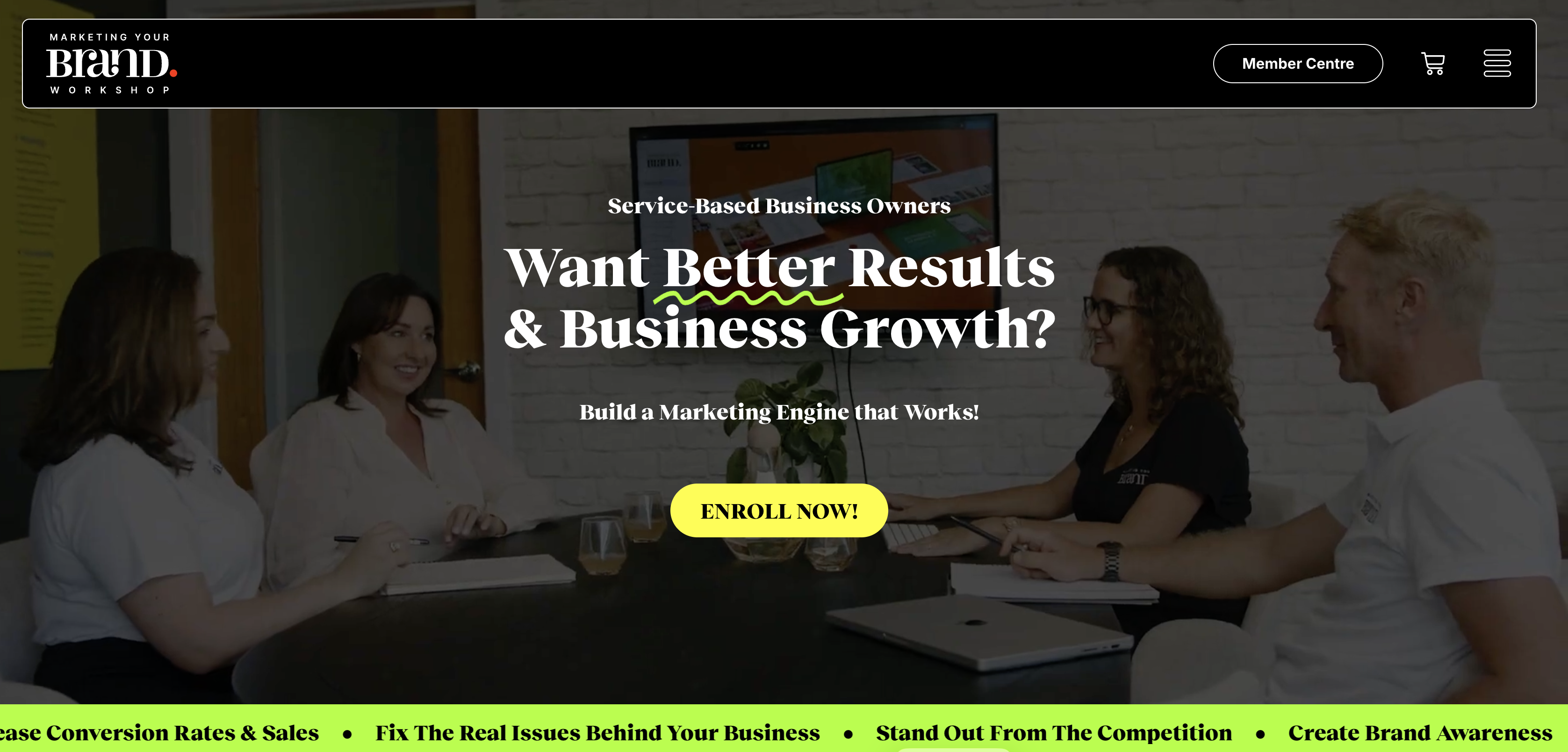
Mybworkshops runs practical, expert-led brand-building workshops designed for service-based business owners who want to grow with confidence. The workshops cover brand direction, marketing strategy, and how to connect your creative work to measurable outcomes, which are exactly the foundations a strong media kit is built on. If you’re ready to sharpen your brand story and back it with a system that attracts the right clients, explore the full range of Mybworkshops programmes and find the right starting point for your business.
A media kit is a promotional document that outlines your brand, audience demographics, platform statistics, and past collaboration results. It gives potential partners the information they need to decide whether to work with you.
Industry standard is 1–3 pages, with 1–2 pages recommended for speed and impact. A shorter kit respects the reader’s time and keeps attention on your strongest points.
Refresh your media kit every 6 months to keep audience data and campaign metrics accurate. Set reminders in january and july to review every statistic before your next pitch.
PDF is the preferred format for formal pitches because it preserves design across all devices. A live website page works well for ongoing brand discovery and removes the need to send a file.
Experienced creators avoid fixed rate cards in initial kits to encourage customised negotiation based on project scope. Share rates once you understand the brand’s campaign goals and budget.