

Properly structured quotes and estimates do convert better. Full stop. They remove ambiguity, create a perceived contract before the job starts, and shape how clients make decisions. Three reasons explain most of the lift:
The sections below cover the legal distinction between a quote and an estimate, the structural elements that lift acceptance, and the local tools and workflows that make same-day quoting realistic for a one-person operation.
Structured quotes and estimates convert better because they remove ambiguity, use behavioural triggers like anchoring and urgency, and signal the professionalism clients use to judge whether you will deliver.
| Point | Details |
|---|---|
| Speed is the biggest lever | Quotes sent within two hours convert at materially higher rates than those sent after 48 hours. |
| Tiers lift average job value | A Good/Better/Best structure moves clients toward the middle option without negotiation. |
| Legal clarity protects you | A clear, itemised quote can form part of a binding contract under Australian consumer law. |
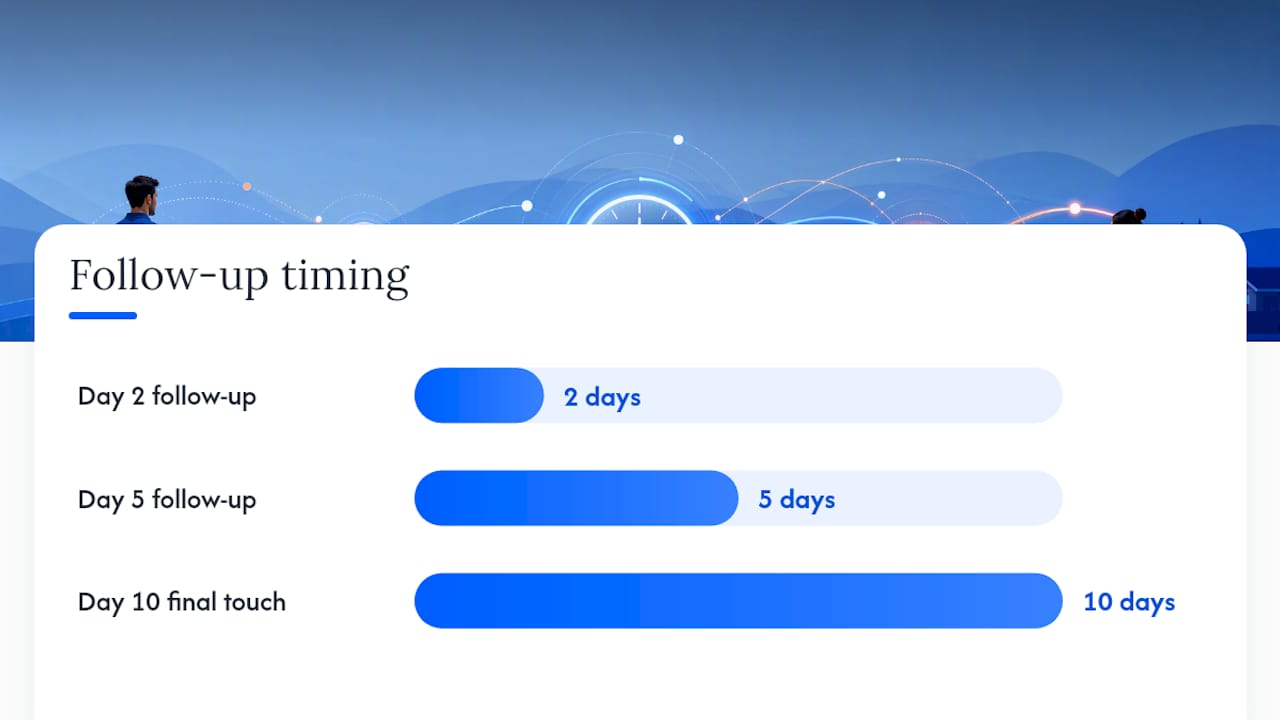
| Follow-up captures delayed decisions | A three-touch sequence over ten days recovers jobs that would otherwise go to whoever followed up first. |
| Measure acceptance rate | Track quotes accepted ÷ quotes sent; a structured process targets 35–45%. |
The core mechanism is simple: ambiguity kills decisions. When a client cannot picture exactly what they are getting, they stall. A structured quote removes that stall by acting as a decision architecture tool.
Behavioural economics explains the rest. The decoy effect means a mid-tier option becomes more attractive when a premium option sits beside it. Loss aversion means a quote with an expiry date creates urgency without a single pushy word. These are not tricks; they are how human decision-making works, and a well-built quote uses all three naturally.
Speed compounds the effect. PlotonIQ’s field data shows quotes delivered within two hours convert at materially higher rates than those sent after 48 hours. The practical advantages stack up quickly:
Pro Tip: Lead with scope, not price. Open your quote with a one-sentence project summary that names the outcome the client wants. Price lands better when the client already understands what they are buying.
Field-service benchmarks from MadeForBuilders place median close rates at 20–30% for unstructured estimates. Businesses using structured quoting practices, including same-day delivery, line-item breakdowns and tiered options, commonly report close rates in the mid 30s to mid 40s.
A quote is a fixed-price offer. An estimate is a non-binding range. That distinction matters because, as business.gov.au explains, a clear and itemised quote can form part of a legally binding contract in Australia. An estimate carries no such obligation.
Queensland Government guidance reinforces this: quotes are formal offers, estimates are indicative figures, and professional quoting processes, including templates and validity periods, reduce disputes for both parties.
In practice, most Australian service businesses should include a validity period (14–30 days is common), a deposit requirement, and a change-order clause on any formal quote. These three additions protect your margin and set clear expectations before work begins.
Structure drives acceptance. A quote that buries the price in a wall of text, or skips the scope entirely, forces the client to do mental work you should have done for them. The essential elements, in order:
A quick template order: Summary → Scope → Tiers → Price → Acceptance link.
Pro Tip: Offer three tiers: Good, Better, Best. Label the middle option “Recommended.” Most clients choose the middle tier, which lifts your average job value without a single negotiation. The premium tier anchors perception; the entry tier reassures budget-conscious clients they have a choice.
The most common reason service businesses skip quoting is time. The fix is a repeatable workflow, not willpower.
A simple five-step process works for most trades and service businesses:
For field-based businesses, four Australia-available tools make this realistic at different scales:
ServiceM8 suits sole traders and small teams who need mobile quoting, job scheduling and invoicing in one place. It generates quotes on-site from a phone and connects directly to Xero or MYOB.

Tradify is built for trade businesses with two to twenty staff. Its quote-to-invoice workflow is straightforward, and the mobile app handles on-site quoting well. Strong fit for plumbers, electricians and builders managing multiple concurrent jobs.
AroFlo suits mid-sized field service operations that need more complex job costing, asset tracking and multi-site management alongside quoting. The learning curve is steeper, but the reporting depth suits businesses tracking margin by job type.
Fergus is a New Zealand-origin platform with strong Australian uptake among trade businesses. It handles quoting, scheduling, timesheets and invoicing, and its job-costing tools help businesses understand whether quoted prices are actually profitable.
Digital quotes outperform static PDFs on open rates, approval speed and follow-up automation. Whichever tool you choose, turn on read receipts and automatic reminders.
Discounting is the most expensive habit a service business can develop. Before you cut price, check whether the problem is presentation, not cost.
Tiered pricing does the heavy lifting here. Consider a landscaping business quoting a garden redesign:
The client who was going to spend $480 often moves to $780 because the value gap is obvious. The $1,200 option makes $780 feel reasonable by comparison. No discount required.
Positioning tactics that protect margin:
For broader positioning strategy, aligning your quoting with your overall marketing prevents the common trap of winning on price and losing on profit.
Delivery mechanics matter as much as content. A great quote sent three days late, as a plain-text email attachment, will lose to a decent quote sent within two hours via a clean digital link.
Delivery checklist:
A short follow-up sequence that works:
Pro Tip: Triage incoming enquiries by job size. For high-value jobs, call the client within 30 minutes of receiving the enquiry, then send the quote the same day. Speed signals that you want the work and that you are organised enough to deliver it.
Fixlify’s analysis identifies lack of follow-up as one of the top five reasons estimates fail. A five-day follow-up sequence captures a meaningful share of delayed decisions that would otherwise go to a competitor who simply followed up first.
Most lost quotes come down to avoidable errors, not price. Watch for these:
Two red flags with legal and operational weight: missing deposit terms (leaves you exposed if a client cancels after you have ordered materials) and no change-order clause (means scope creep becomes your problem, not a billable variation).
For small jobs, the fix is a one-page micro-quote: summary, price, payment terms, acceptance link. Takes three minutes with a template. Skipping it entirely signals that small jobs are not worth your professionalism, which is rarely the impression you want to leave.
Gut feel is not a measurement system. Track these five metrics:
| Metric | Definition | KPI to target |
|---|---|---|
| Quote acceptance rate | Quotes accepted ÷ quotes sent | mid 30s to mid 40s |
| Average job value | Total revenue ÷ jobs won | Increase quarter on quarter |
| Time-to-quote | Hours from enquiry to quote sent | same-day delivery |
| Follow-up touches to close | Average contacts before acceptance | two |
| Conversion by tier | Which tier clients choose most | Middle tier should lead |
Two simple A/B tests worth running:
Test A: Send ten quotes with a single price. Send the next ten with three tiers. Compare acceptance rates and average job value after 20 quotes.
Test B: Send ten quotes same-day (within four hours). Send the next ten after 48 hours. Track acceptance rate by group. The speed difference tends to be visible within a month of consistent quoting volume.

Mybworkshops runs practical, expert-led workshops built specifically for service-based business owners who want to improve conversion without guessing. The focus is on sustainable systems: quoting workflows, pricing frameworks, copy templates and measurement habits that compound over time.
What you get from the workshops:
There are no shortcuts here. Mybworkshops focuses on brand foundations, clear positioning and consistent marketing systems, because those are what make higher quote acceptance rates stick. Browse the full workshop catalogue to find the session that fits where you are right now, or explore real business outcomes from owners who have been through the programme.
Yes. Under Australian consumer law, a clear and itemised quote can form part of a binding contract. Include a validity date and change-order clause to protect yourself if scope shifts.
A quote is a fixed-price offer; an estimate is a non-binding indicative range. Use a formal quote when scope is defined and you want legal protection on price.
Same-day is the target. Field data shows quotes sent within two hours convert at substantially higher rates than those sent after 48 hours.
A structured quoting process, with tiered options, same-day delivery and a follow-up sequence, typically targets an acceptance rate notably higher than typical unstructured estimates.
Lead with scope before price, offer three tiers with the middle labelled “Recommended,” and bundle value additions rather than cutting the quote total. Anchoring the client to a premium option first makes the mid-tier feel like a reasonable choice.